
The Road Trip Guide: How to Prep Your Car for the Long Haul
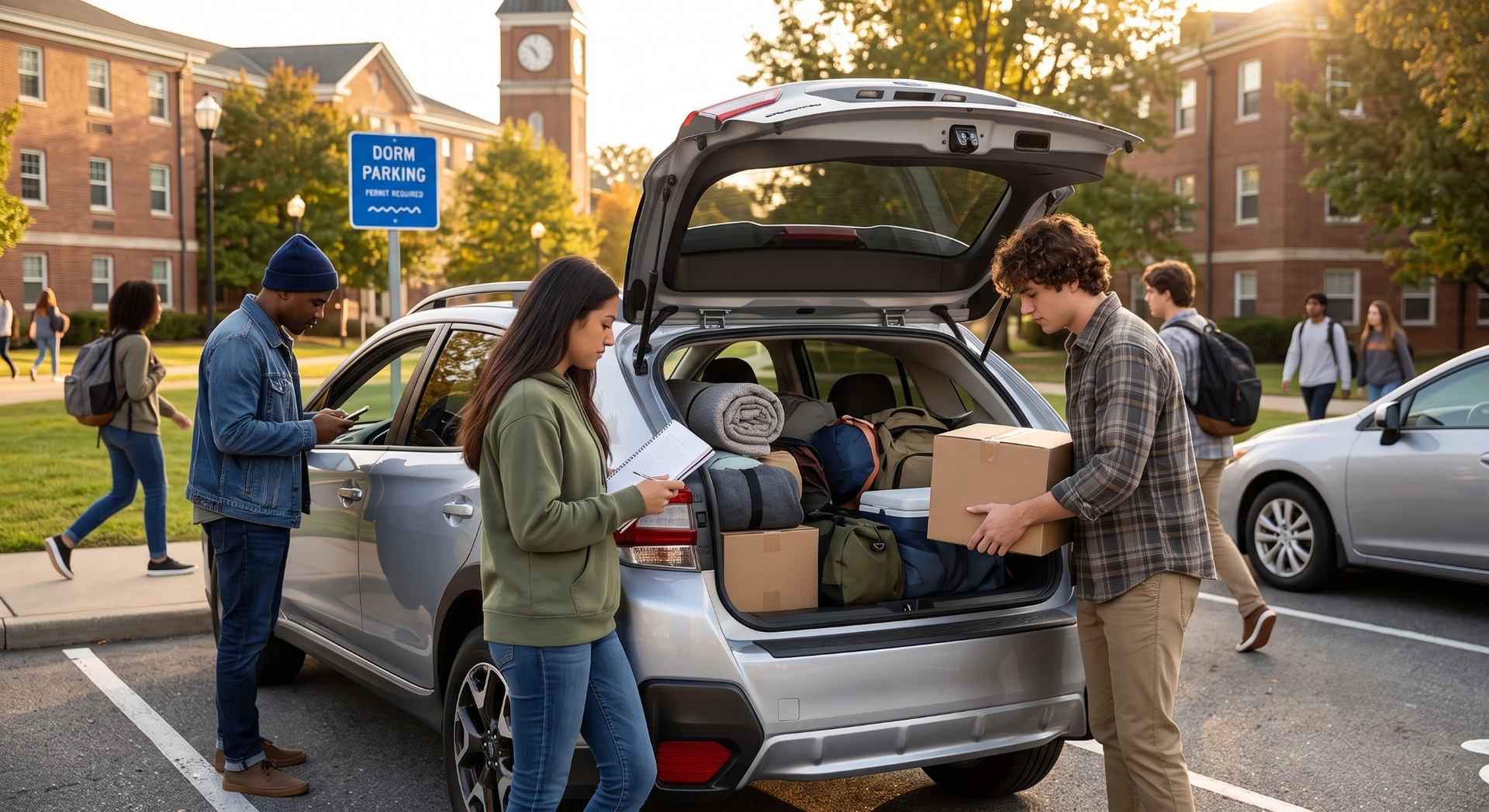
Planning a trip is exciting, but that means you’re focused more on your destination and less on how you’ll get there. You may barely think about the car until the night before leaving. Unfortunately, but it rings true: highway breakdowns always seem to happen at the worst possible times. Then suddenly you notice the tires look worn, the oil change is overdue, or the air conditioning is whistling.
Road trip car prep should start with checking the basics before spending hours driving in traffic in the summer heat. Tires, brakes, fluids, battery condition, and overall vehicle reliability all matter once you are several hours from home with luggage packed in the backseat.
Long Drives Put Different Stress on Vehicles
Cars may behave differently during long highway trips compared to short local driving. A vehicle commuting around North Jersey all week may suddenly be stuck in traffic, experience summer heat, or encounter hilly, winding conditions. Things that seemed manageable or went unnoticed during local errands suddenly become more noticeable once the vehicle stays on the road all day.
- Weak batteries
- Marginal brakes
- Low tire tread
- Minor cooling system issues
Check Your Tires
Many drivers underestimate how important tires are before road trips. Which is why we recommend coming in for a vehicle or tire inspection before hitting the road.
Consider your tired tread, for example. It may not seem obvious around town, but after hitting rough weather several hours into a trip, tire conditions become more important and pose a safety issue.
Beyond the treads, tire pressure matters, too. Underinflated tires create extra heat and wear faster during extended highway driving, especially during summer temperatures.
Highway Driving Usually Reveals Brake Problems Fast
Some brake issues stay hidden a surprisingly long time during regular local driving. Then when you are stuck in traffic, you suddenly notice a vibrating sensation signaling something is off. You may also notice a squealing sound or that your brakes feel softer than normal.
With locations across the Tri-State area, we find that it catches people off guard all the time. Road trips tend to magnify smaller problems because the vehicle simply gets used harder for longer periods without much downtime, making small issues accumulate fast.
Fluids Matter More Than You Think
A lot of roadside breakdowns trace back to overlooked and overdue regular maintenance items. This is why you should always take care of regular car maintenance on time. For example, having your fluids routinely checked.
Some items to pay attention to are:
- Coolant
- Oil
- Transmission fluid
- Brake fluid
Even windshield washer fluid becomes important once bugs, road spray, and summer storms start covering the windshield for hours at a time, helping ensure visibility.
That's why you should start using a vehicle maintenance checklist before longer trips instead of waiting for check engine lights to show up halfway through vacation. You might be in need of a tow truck at that point.
How To Improve Fuel Economy For The Trip
Current gas prices have definitely played a role in whether you even want to take a road trip. You may not even think about fuel range during everyday local driving. Road trips change that pretty quickly, especially if you're on a long stretch of highway with more spread-out gas stations and rest stops.
You might be stuck in traffic or are looking to tackle a long road without having to stop constantly. A vehicle that uses fuel faster than expected becomes a lot more difficult to navigate once you are driving several hundred miles over a weekend. If you are planning a longer highway trip, you may be looking for ways to improve gas mileage on highway drives, but in a way that feels manageable. A vehicle running poorly usually uses more fuel during extended highway driving.
Some easy ways to help gas mileage include:
- Keeping tires inflated properly
- Avoiding excessive speeding
- Removing unnecessary weight from the vehicle
- Addressing overdue maintenance items
Summer Heat Can Be Rough on Cars
Heat creates problems drivers sometimes don't expect. Traffic during July feels very different than casual spring driving around town.
Cooling systems work harder, and tires heat up faster. Batteries that may already be near the end of their lifespan sometimes fail suddenly during high temperatures.
You may not realize how stressed the vehicle is until you are sitting in traffic with luggage loaded down, the air conditioning cranked on high, and temperatures pushing into the nineties. That combination exposes any potential weaknesses in a vehicle relatively quickly, further necessitating a maintenance check before taking a road trip.
Emergency Supplies Still Matter
People sometimes assume newer vehicles eliminate the need for emergency supplies. This isn't always the case. No matter what type of vehicle you have or its age, always have some emergency supplies on hand.
Some basic items to keep in your vehicle include:
- Phone chargers
- Flashlights
- Water bottles
- Jumper cables
- Portable tire inflators
Nobody expects problems starting a road trip, but that doesn't mean they don't happen. When you're unprepared, roadside situations become stressful once something unexpected actually happens.
Don’t Forget About the Car Battery
A car might start perfectly fine all spring, then suddenly struggle during a long summer trip once the heat, traffic, and constant driving start putting extra strain on everything, batteries included. You stop for gas somewhere off a highway, come back outside ten minutes later, and suddenly the car is working slower than normal.
That catches people off guard constantly, and sometimes it’s their battery.
A lot of drivers assume cold weather affects batteries more often than warm weather, but summer heat can be rough on batteries, too. Consider parts of the Tri-State area that have a lot of bridges. These bridges keep cars sitting hot for long periods of time, putting more strain on the batteries.
Batteries usually give small warning signs first. You may notice any of the following:
- Slower starts
- Dimmer lights
- Electronics acting strange when you least expect it
Since it happens gradually, you may not notice it until your car suddenly refuses to start somewhere inconvenient. That's one of the number one reasons for pre-trip inspections. They matter more than people realize before longer highway drives.
Frequently Asked Questions
Why Do Cars Always Seem to Act Up Before Road Trips?
It's because you start paying attention. A weird noise that got ignored for two months suddenly feels a lot more important the night before driving five hours down the highway.
Can Highway Driving Reveal Problems Faster?
Absolutely. A car might feel fine running errands locally, then start vibrating an hour badly into the trip once it stays at highway speed longer.
Are Summer Road Trips Rough on Cars?
They can be. Heavy traffic, hot pavement, luggage packed in the back, and air conditioning running nonstop all add stress quickly.
Why Do You Notice Tire Problems More on Highways?
Highways exaggerate everything. Small vibrations feel bigger, and weak tread feels worse in heavy rain. Steering problems become harder to ignore once your car stays moving fast for a long stretch.
What Should You Always Throw in the Car Before Leaving?
You don't need to pack anything fancy, but it's important to have the essentials. This includes:
- Water
- Phone charger
- Flashlight
- Jumper cables
What Are Some Underrated Long-Distance Driving Tips?
Taking breaks helps more than you think. A lot of drivers try powering through exhaustion and start feeling miserable halfway into the trip, but this is dangerous to the driver, passengers, and other motorists. If you feel tired, pull over.
Why Does Your Car Sometimes Feel Different Fully Loaded?
The reason for this is simple: extra passengers, luggage, and highway driving all change how the vehicle handles a little. Some drivers notice braking or steering feels heavier pretty quickly.
Is Highway Driving Usually Better for Fuel Economy?
Most of the time, yes. Steady speeds generally help improve gas mileage on highway drives compared to sitting in traffic constantly.
Why Do Warning Lights Show Up During Trips?
Long drives keep everything working continuously for hours. Weak batteries, cooling systems, and sensors sometimes finally decide to quit during that kind of stress.
What Matters Most for Road Safety?
Tires and brakes. Good tires matter a lot. The same is true with brakes. Tired drivers cause major problems, too, especially late at night after hours on the road. Never drive tired.
Should You Still Get Inspections Even if the Car Seems Fine?
Yes. A lot of vehicle problems stay hidden until the car gets pushed harder during longer trips.
Why Do Cars Sometimes Feel Rougher on Highways?
Highway driving makes little problems easier to notice. A vibration that barely shows up locally suddenly feels obvious on the interstate.
Can Summer Heat Make Tires Feel Different?
Yes. Roads get hot fast during summer, especially sitting in traffic. You might notice the car feels softer or heavier during long drives in high heat.
Why Do You Always Seem to Notice Noises During Road Trips?
There's less distraction. Once you are driving for hours, every little rattle suddenly becomes the most important sound in the world.
Are Long Drives Harder on SUVs or Smaller Cars?
It depends on the vehicle. Smaller cars sometimes feel rougher carrying lots of luggage. Bigger SUVs usually handle weight better but can feel heavier braking in traffic.
Why Does Traffic Make Road Trips So Exhausting?
Stop-and-go traffic wears you out fast, especially around bridge traffic or crowded highways where you are constantly braking and switching lanes for long stretches.
Can Rain Really Change How the Car Handles That Much?
Definitely. A car that feels perfectly stable on dry pavement can suddenly feel completely different once roads get soaked during heavy rain.
Why Do You Usually Ignore Small Problems Before Trips?
Life gets busy. A weird noise feels easy to ignore during short local drives. Then the road trip gets closer, and suddenly you start wondering if your car is okay.
Does Highway Speed Wear Cars Out Faster?
Long highway drives are usually easier than constant city stop-and-go driving. Staying at high speeds for hours still puts steady stress on the vehicle.
Why Do Drivers Get More Anxious During Night Driving?
Visibility changes everything. Roads feel different at night, especially during rain or construction zones where it becomes harder to spot debris or potholes ahead.
Can Packed Cars Affect Braking?
Yes. More weight changes how the vehicle stops and handles, especially once luggage and passengers start adding up during longer trips.
Relax and Enjoy the Ride
One thing people rarely mention about road trip prep is peace of mind. A strange noise or warning light feels way more stressful halfway down the highway than it does sitting near home. Drivers who prepare their vehicle beforehand usually spend less time worrying during the trip itself.
That becomes especially true during family trips where nobody wants unexpected breakdowns interrupting vacation plans.
Road Trip Car Prep
When you think about road trip car prep, you should focus on reliability, tire condition, fluid levels, braking performance, and overall vehicle safety before heading onto long highways around the Tri-State area. A little preparation usually feels much better than dealing with expensive surprises several hours from home.
At a
Tri-State AAMCO Transmissions & Total Car Care center, you receive experienced inspections, maintenance services, and honest recommendations based on real local driving conditions. Whether your vehicle needs a pre-trip inspection, maintenance, or help preparing for long-distance driving,
locate a center today and keep your next road trip moving safely.
Share